Why Prioritizing Self‑Care Matters: Wellness Trends Every Londoner Should Know
In a fast‑paced global city like London, maintaining balance between work, personal life, and emotional wellbeing can often feel like juggling too many demands at once. Whether you’re navigating long workdays, the pressures of commuting, or planning for future goals, finding intentional ways to unwind and recharge is essential. Across the city, more people are exploring diverse wellness‑focused activities that support both mental and physical health — from mindful movement classes to specialized bodywork sessions.
While many wellness trends focus on physical activity or structured routines, there is also a growing appreciation for experiences that allow individuals to slow down, relax deeply, and tune in to their bodies. One area that reflects this shift is the increasing interest in professional relaxation therapies.
This guest post takes a broader look at contemporary wellness practices in London, and why prioritizing self‑care has become such an important part of daily life.
What Self‑Care Really Means in a Busy World
Self‑care used to be described as occasional treats — spa days, vacations, or special meals. But today, it’s evolving into something much deeper: ongoing practices that sustain physical and emotional well‑being. For many, this includes:
- Mindful movement like yoga or pilates
- Regular rest and sleep prioritization
- Stress‑management through meditation or breathwork
- Professional support systems (coaches, therapists, trainers)
- Therapeutic touch and bodywork
These approaches recognize that mental and physical wellbeing are interlinked. Reducing stress isn’t just about feeling calm — it’s about improving sleep, enhancing focus, and supporting the body’s natural recovery processes.
Why Relaxation Practices Are Trending in London
In a city that never sleeps, people are increasingly aware of the cumulative effects of stress. Long commutes, demanding work schedules, and constant connectivity can create mental weight that doesn’t always show up as a physical symptom — until it becomes fatigue, irritability, or burnout.
That’s why relaxation‑focused experiences are gaining traction. They offer a different way to manage stress — not by blocking it out, but by engaging the body’s relaxation response. Some of the reasons these practices resonate include:
1. They Promote Deep Rest
Deep rest goes beyond short breaks or sleep cycles. Practices that activate the body’s relaxation response — like guided stretching, mindful breathing, or therapeutic touch — help the nervous system shift out of “stress mode.”
2. They Support Emotional Balance
Activities that allow people to slow down internally can help reduce feelings of overwhelm. By focusing on the present moment, individuals often report reduced anxiety and clearer thinking.
3. They Improve Physical Awareness
Many wellbeing practices help people become more in tune with their bodies — from noticing areas of tension to understanding how emotional states affect posture or movement.
Exploring Bodywork as Part of Self‑Care
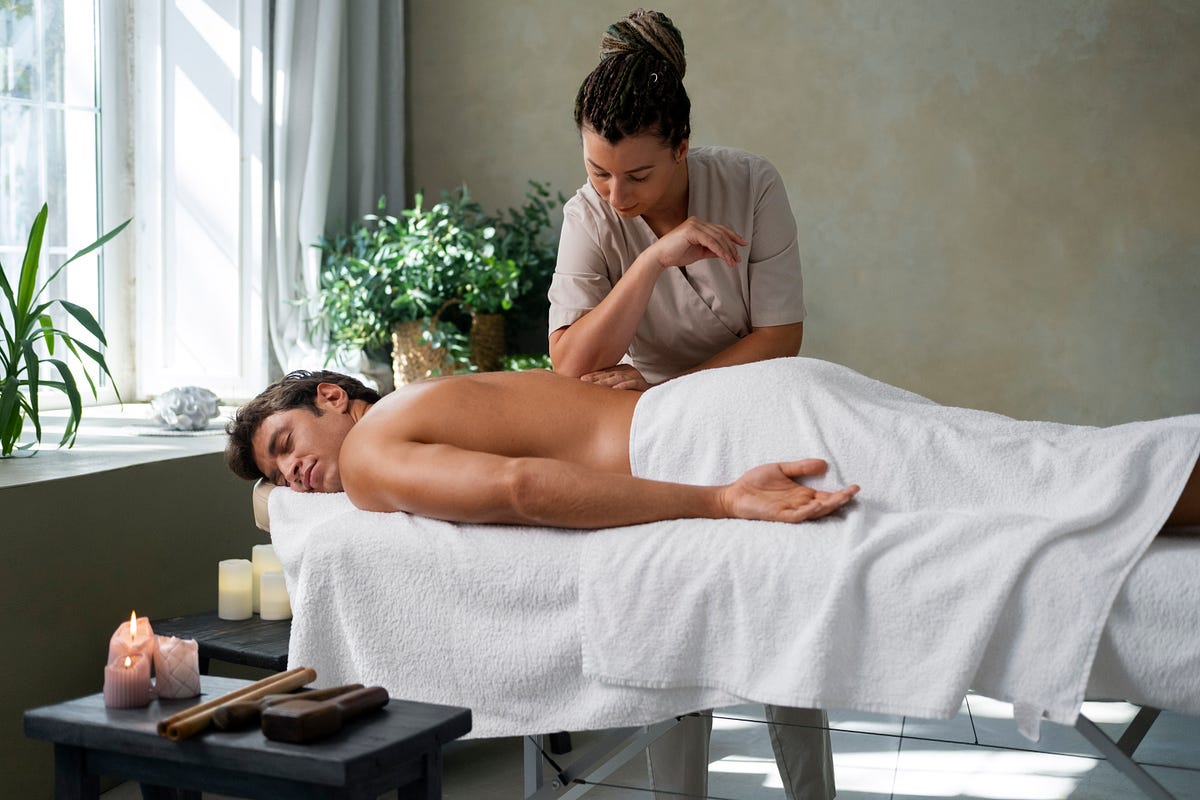
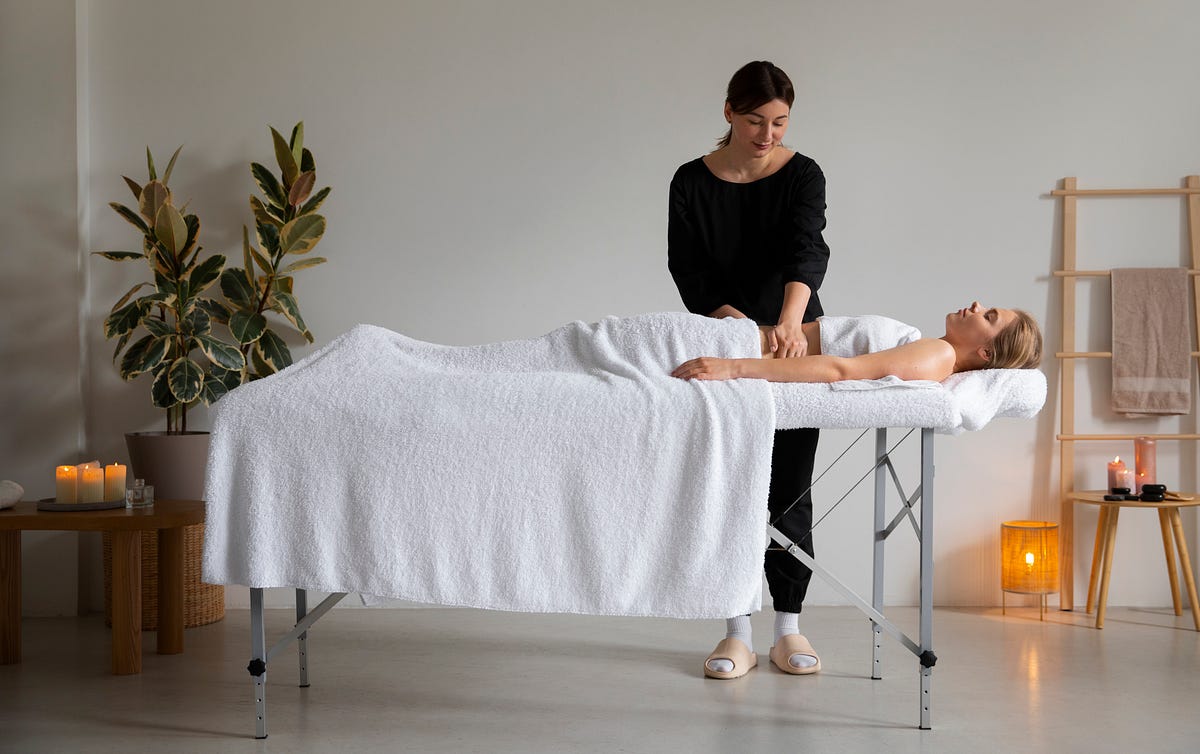
Among the range of wellness options available, professional bodywork and massage therapies are being embraced not just as luxury services, but as legitimate self‑care tools. These services support both physical relaxation and emotional ease.
For example, private therapeutic sessions offer personalized attention in a calm environment. Whether someone chooses to focus on stress relief, muscle tension, or overall relaxation, these experiences encourage people to step away from daily pressures and simply be present with their own wellbeing.
This trend reflects a broader shift in how people think about health. Instead of viewing wellbeing as something achieved only through physical exercise or diet, there’s growing recognition that relaxation and mental restoration are equally vital components of a balanced lifestyle.
How Wellness Practices Support Long‑Term Health
Incorporating relaxation and wellness practices can have lasting benefits beyond immediate comfort. Research suggests that regular engagement with stress‑reducing activities may contribute to:
- Lower blood pressure
- Improved sleep quality
- Reduced muscle tension
- Enhanced mood and emotional stability
- Better focus and productivity
Wellness experts often highlight that consistent, small practices — rather than occasional indulgences — are what create meaningful change over time.
London’s Wellness Culture: A Dynamic Ecosystem
London’s wellness scene reflects the diversity of its population. From urban yoga studios and meditation hubs to personalized bodywork locations and mindfulness groups, the city offers a wide range of ways for individuals to invest in their wellbeing. The key is finding what resonates personally — whether that’s mindful movement, professional bodywork, or dedicated rest practices.
While every individual’s wellness journey is unique, one common theme is clear: intentional self‑care matters. People are no longer waiting until they feel worn out to prioritize rest — they are exploring methods that help them stay balanced in the first place.
Final Thoughts: A Balanced Approach to Wellbeing
Wellness isn’t one‑size‑fits‑all. It’s a mosaic of habits, intentional pauses, and supportive practices that help individuals live with less stress and more clarity. In a demanding city like London, adopting a personalized approach to self‑care — one that includes both active and restorative elements — can make a real difference in overall health and quality of life.
Investing in your wellbeing isn’t just a luxury — it’s a commitment to living more fully, with greater ease and resilience in the face of life’s everyday demands.


.jpg)
Comments
Post a Comment